Suede sneakers in winter: a care routine that actually works
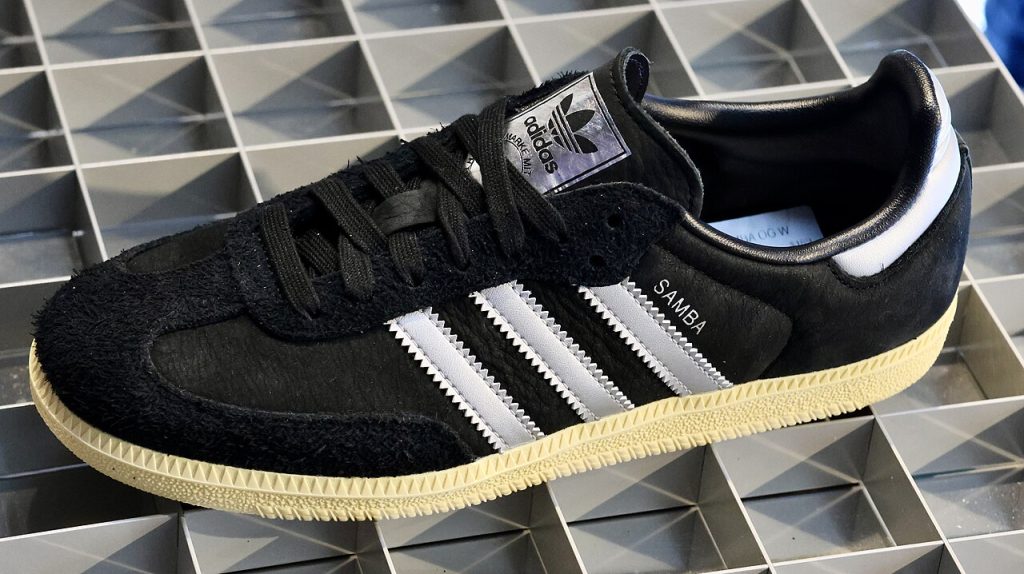
Most suede damage happens in the two weeks after a pair gets wet, not during the walk home. Salt residue draws moisture, grit works into the nap, and heat from a radiator finishes the job. A routine that costs fifteen minutes a week keeps a suede pair wearable through a full winter instead of relegating it to the closet until March.
Why salt is the real enemy
Road salt is a crystalline mineral that pulls moisture from the air and holds it against the leather. It dries into a white tide line, and if it sits, it hardens the fibers underneath. Over a season, repeated exposure turns soft suede into something closer to cardboard.
Rain alone is survivable. Suede gets wet, dries, and the nap comes back with a brush. Salt is different because it stays in the material after the water evaporates, and each cycle concentrates it further.
That is why the routine matters more in a city that grits its roads than in a place that only gets rain. If you walk the same salted route daily, your pair is accumulating damage even on dry days.
Protect before the first wear
Fluoropolymer sprays are the most effective option and the most controversial environmentally. Silicone-free alternatives work almost as well for water repellency and need reapplication more often. Either way, two light coats on clean, dry suede before the first wear is the single highest-value step.
Spray outdoors or near a window, hold the can a hand’s width away, and let each coat dry fully. One heavy coat performs worse than two thin ones because it saturates the nap and dries unevenly.
Do not spray a pair that is already dirty. The spray locks the dirt in, and you will be cleaning through a barrier for the rest of the shoe’s life.
Cleaning after exposure
Let the pair dry at room temperature first. Brushing wet suede pushes grit deeper and flattens the nap. Once dry, brush in one direction with a soft bristle brush, then switch to a brass brush only on stubborn areas and only with a light touch.
For salt lines, use a cloth dampened with a mix of water and a small amount of white vinegar. Dab rather than scrub, and blot dry immediately. Vinegar neutralizes the salt and the smell dissipates as the shoe dries.
A suede eraser handles scuffs and matted patches. Rub gently, brush off the residue, and accept that some marks are permanent. Aggressive cleaning removes more nap than it fixes.
Drying without heat
Stuff the shoe with newspaper or a cedar form and leave it in a room with air movement. Change the paper once if it gets damp. A fan helps more than people expect, because moving air dries the material evenly.
Keep the pair away from radiators, space heaters, and direct sun. Heat shrinks the leather, hardens the nap, and can delaminate the midsole from the upper. A pair dried too fast is permanently stiffer.
Never put suede in a washing machine or a dryer. The agitation breaks the nap and the drum heat finishes the damage. There is no recovery from either, and no product sold as a suede restorer will rebuild a crushed nap once the fibers have matted together.
When to stop trying
Suede has a limit. Once a panel goes shiny and hard, or the nap will not lift after brushing, the material has changed structure and no product reverses it. A cobbler can replace some panels, but the cost rarely makes sense on a general release pair.
Know when a pair becomes a winter beater. If the suede is already tired, stop spraying it and start wearing it in bad weather. Save the good pairs for dry days and let the tired ones absorb the salt.
Two pairs in rotation is the practical setup. One takes the wet commute, the other stays dry, and both last longer than a single pair worn every day through a wet season.
Storage between wears
Suede needs air. A pair stuffed into a closed box while still damp grows mold in the nap, and mold leaves a stain that no brush removes. Keep shoes on an open shelf or in a breathable bag, and leave a gap from the wall for circulation.
Cedar shoe trees help with shape and odor, but the cheap ones lose their effect after a few months. Sanding the surface revives them. Avoid plastic trees, which trap moisture instead of moving it.
If you store pairs for the season, clean them first. Dirt left on suede for months sets into the fibers, and a pair packed away dirty comes out looking older than it is. A breathable cotton bag beats a plastic bin every time, and a sachet of silica helps in a damp closet without touching the leather directly.