Sneaker shops are becoming clubhouses and the model is working
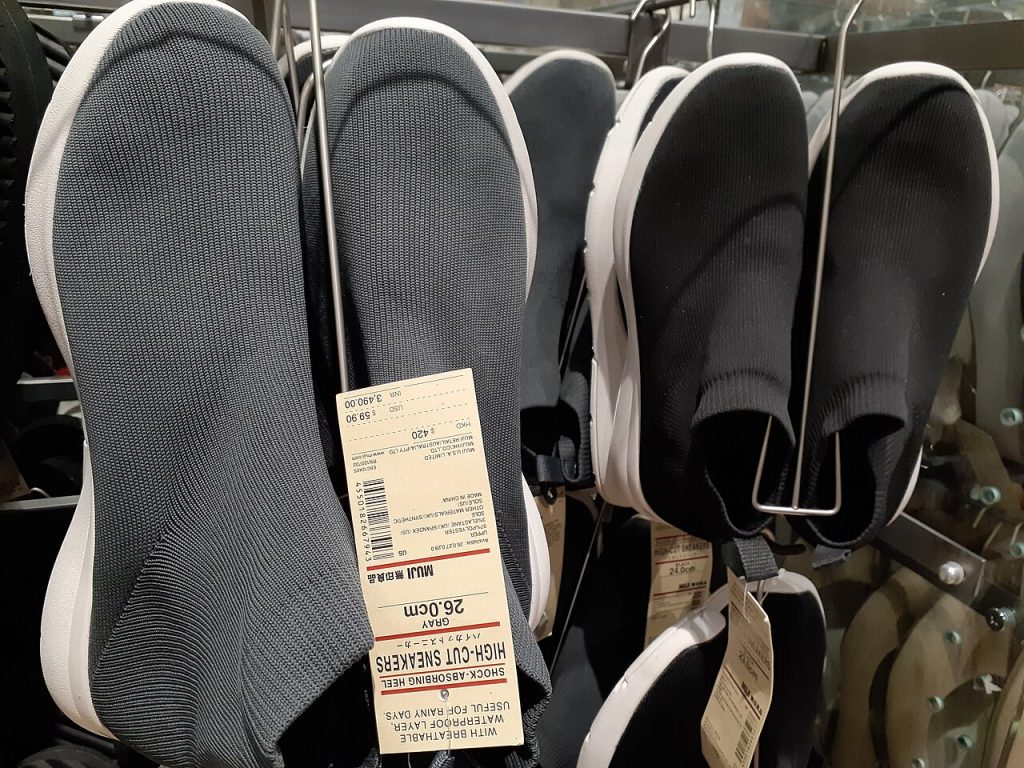
The store that only sold shoes is getting harder to run. Rent is high, margins on general release footwear are thin, and the pair you can buy in thirty seconds online does not need a shopfront. What is appearing instead is a store that hosts things: a weekly run, a repair desk, a panel, a workshop. The economics behind that shift are more practical than the culture language suggests.
Why the floor plan changed
Footwear retail has a conversion problem. Most people who walk in are there to look, try a size, and then buy online at a lower price. The store pays for the lighting and the staff and captures none of the margin.
Events change the math. A run club brings twenty people who stay for an hour, buy drinks, and come back the following week. The store becomes a place with a reason to exist beyond inventory, and the inventory sells as a side effect.
Square footage also reprices. A back room used for storage earns nothing. The same room with eight chairs and a screen earns attention, which is the only currency a small retailer still controls.
What the programming actually looks like
Running clubs are the most common format because they cost almost nothing and they repeat weekly. A route, a meeting time, and a place to leave bags is enough. Shops that do it well pair the run with a demo pair, which turns a workout into a test ride.
Repair and cleaning stations are the second pattern. A cobbler or a cleaner working in-store on a Saturday pulls in people with pairs that need attention, and those people are already invested in keeping shoes alive rather than buying new ones.
Panel talks and archive displays fill the quieter nights. They do not sell much on the day, but they build the sense that the store knows something, which is what separates it from a warehouse with a checkout.
Who pays for it
Brands fund some of it. A demo run with loaner pairs is marketing spend that a brand would otherwise put into a campaign, and a small shop is a cheaper venue than an activation. The shop gets product and traffic, the brand gets a room full of the right people.
Some of it is paid for by the shop, and that is where the model strains. Staff time, insurance, and cleaning add up, and a weekly event that brings twenty people who spend nothing is a cost rather than an investment.
The shops making it work usually sell something at the event: a cap, a sock, a cleaning kit, coffee. Low-ticket items with decent margin cover the evening and give first-time visitors a reason to open their wallet.
The risk of scene-washing
An event calendar can be a genuine community or a content shoot. The difference is whether the same people come back. A shop that books a photographer for every session and rotates the crowd is running marketing, and regulars notice.
The other risk is exclusion by price. A store built around limited releases attracts a crowd that can afford them, and the programming follows the inventory rather than the neighborhood. Shops that mix in free events and repair services keep a wider crowd.
Authenticity here is measurable: how many faces are familiar after two months, and whether anyone stays after the event ends.
What it means for buyers
A store with a real community is worth paying a little more at. You get to try the fit, you get a relationship when a pair needs a warranty conversation, and you get first look at things that never appear online.
It also changes what you can learn. Sizing questions are settled in thirty seconds by trying two pairs, and no size chart replaces that. A good staff member will tell you when a shoe does not fit you, which is worth more than a discount.
The retail model is not dying, it is being reorganized around reasons to show up. For anyone who actually wears the shoes, that is a net gain.
The economics a small shop runs on
An event night costs staff hours, utilities, and usually some cleaning. If twenty people attend and four buy something, the average transaction has to be large enough to cover the evening. That is why the events that survive tend to sit next to a product with real margin.
Footwear margin is thin and predictable. Apparel, socks, caps, and cleaning products are where a small shop makes money, which explains why the shelves near the door stopped being all shoes.
Membership models are appearing too, usually as a small fee for discounts and early access. Whether that works depends on whether the shop is genuinely a place people want to belong to, or just a mailing list with a door.