The $150 sneaker is disappearing and buyers are adjusting
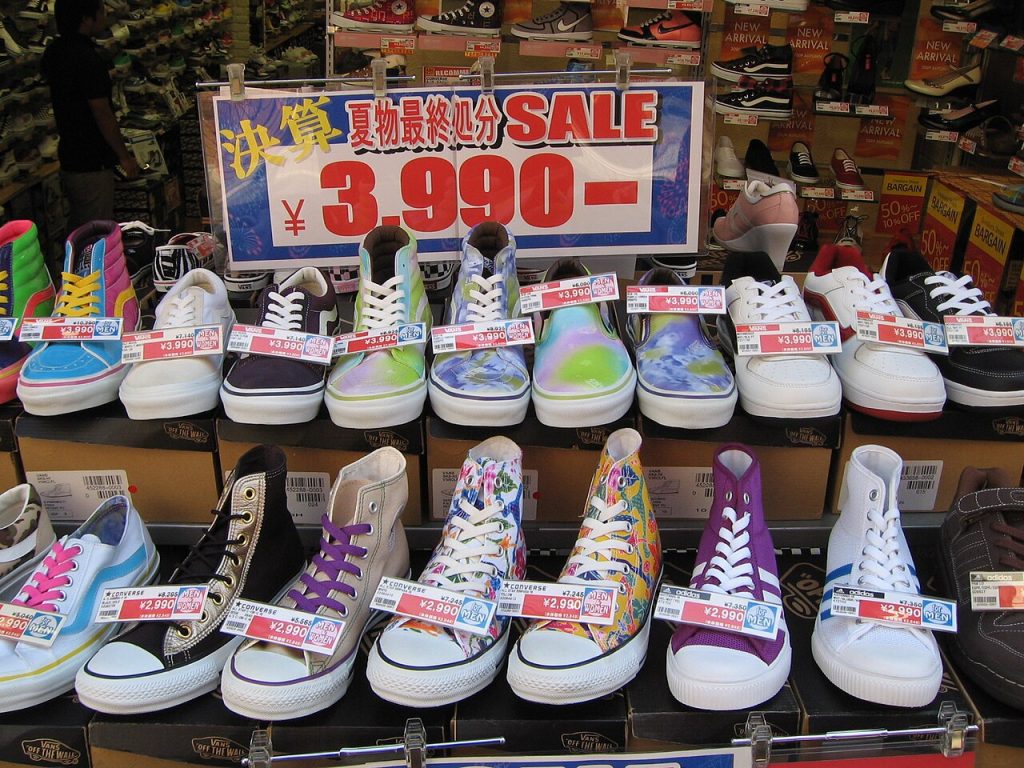
The number that used to define a sensible sneaker purchase was around 150 dollars. That number now buys less. Core models have moved up in steps, the tier below them has thinned out, and the pairs that used to fill the gap are either discontinued or repositioned as premium. The change is gradual enough that most buyers feel it without being able to point at it.
Where the increases landed
The biggest jumps came on the models with the strongest resale history, because brands learned that demand would absorb a higher price. A retro basketball shoe that sat at 110 dollars a few years ago now sits closer to 150, with premium builds well above that.
Running and trail categories moved too, driven by material costs and by the fact that the technical end of the market will pay for foam. The gap between a general release trainer and a performance model has widened.
The entry tier absorbed the least change in percentage terms, which sounds like good news until you look at what is in it. The cheapest pairs increasingly use simpler materials and fewer overlays than the same price point did five years ago.
The cost story behind it
Materials, freight, and labor all moved. Leather and rubber are commodities with volatile pricing, and shipping costs rose sharply before settling at a higher baseline than before. None of that is unique to footwear.
What is specific to footwear is how visible the cost is. A shoe is a simple object with a small number of components, so a change in rubber or foam pricing passes through to the shelf faster than it does in categories with more complex supply chains.
Currency movement matters too, since most production is priced in dollars and sold in local currency. A brand protecting its margin raises the local price, and the buyer sees a jump that has nothing to do with the shoe.
The shrinking middle
The tier that has suffered most is the middle: pairs between roughly 120 and 180 dollars that used to offer good materials without a premium label. That is the range where a lot of the interesting product lived.
Brands have pushed product out of that band in both directions. Simpler pairs moved down into the entry tier, and anything with decent suede moved up into the premium tier. The result is a market with a cheap end, an expensive end, and less in between.
For buyers, that means the decision is more binary than it used to be. Either accept the simpler materials at the low end, or pay a real premium for the pair that will last.
How buyers are responding
The used market is absorbing a lot of it. A lightly worn pair of a model that now costs 190 dollars new, bought for 90, is the most direct response to a price increase, and the platforms have made that transaction easy.
Buying fewer pairs is the other response. A rotation of three well-chosen shoes worn hard replaces a rotation of eight bought on sale, and the total spend is lower.
Waiting for discounts has become less reliable, because inventory is leaner and the deep clearance of a few years ago is rarer. The buyers who adapted are the ones buying at retail early in a model’s life rather than chasing a markdown that may not come in their size.
What happens next
Prices are unlikely to fall. The most probable outcome is consolidation: fewer models, more restocks of proven ones, and a premium tier that grows as a share of the range. Buyers should plan for that rather than wait for a correction that the inventory data does not support.
The opportunity for buyers is in the outgoing models. When a version is replaced, the previous one discounts, and the difference between generations is usually smaller than the price gap suggests. That gap is where a sensible purchase lives.
None of this makes sneakers a bad purchase. It makes them a purchase worth thinking about, which is a reasonable place for the category to end up.
Where the value actually sits now
The best value in the current market is a previous-generation performance model. Runners replace their shoes on a schedule, so a discontinued version with the same foam as the new one sells at a real discount within a year.
The second best is a core colorway bought at retail early. It will not sell out, it will not lose value quickly, and it will still be wearable in three years while the trendy pair from the same season sits unworn.
The worst value is a premium pair bought as an investment. Storage costs, foam degradation, and a cooling resale market all work against it, and the shoes are more useful on your feet.