Nike Air Max Plus: regional pricing and the colorways that hold
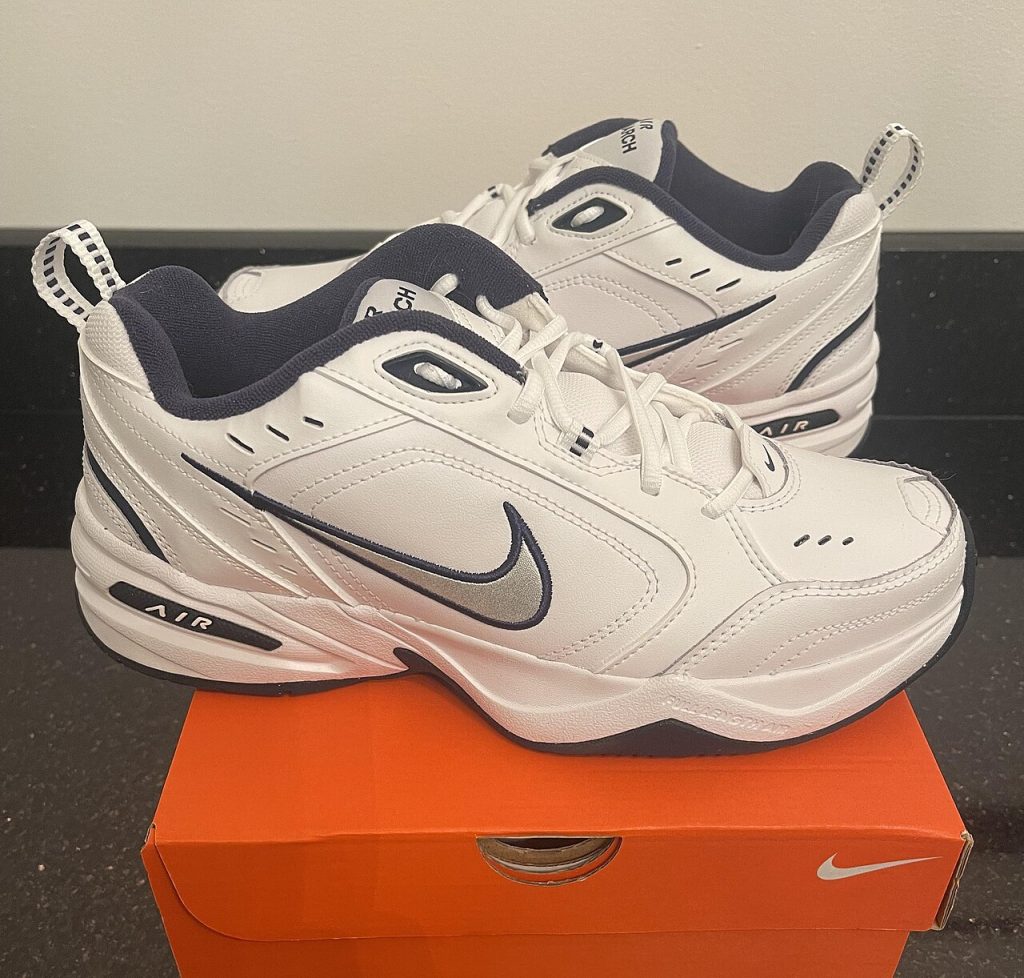
The Air Max Plus, still called the TN by everyone who grew up with it, is one of the few Nike runners that never really left. It retails around $180 in the US, GBP 170 in the UK, and closer to EUR 190 across the eurozone, and those gaps are wider than currency alone explains. The colorway you pick decides whether that price holds.
What you are actually buying
The shoe is a mesh upper under a TPU cage, with Tuned Air units in the heel and forefoot. The cage is the whole design: it wraps the arch, pinches at the midfoot, and gives the shoe its wave profile. Remove it and you have a fairly ordinary late-nineties runner.
Weight lands near 400 grams in a US 9, which is heavy for a mesh shoe by modern standards. The plus side is structure. The downside is that the shoe feels best in cool weather and turns into a footbath in July.
The outsole is the other dated part. There is no flex groove under the ball, just a waffle pattern on hard rubber, so the shoe rolls stiffly for a week and then settles. Tread wear concentrates at the outer heel, and on a pair worn daily the pattern flattens inside a year.
Build consistency has improved since the worst of the retro years, when the cage sat proud of the upper and creaked. Current pairs still vary: some gradient finishes are printed and some are knitted in, and the printed ones fade at the toe with sun exposure.
Why the price differs by market
US pricing has stayed anchored near $180 while European retail climbed past EUR 185, partly on VAT and partly on how Nike positions the shoe as a lifestyle product rather than a running one. UK pricing sits between the two and moves with whatever the pound is doing.
That spread creates a steady gray flow. European buyers order from US stockists when the exchange rate cooperates, and US buyers buy UK pairs when a colorway never crossed the Atlantic. Duties and shipping usually eat the difference on a single pair, so it only works in twos or with a friend.
Asia is where the real gap sits. Japan and Korea get colorways the west never sees, at retail prices that look low until you add proxy fees and international shipping, which routinely add 25 to 35 percent.
Colorways with staying power
Gradient pairs in the original sunset palette hold value because they are the ones people remember from the schoolyard. Hyper Blue, the orange-to-yellow fade, and the purple-to-black builds all trade at or above retail years after release.
Triple black and white-on-white pairs sell steadily and never appreciate. They are the pairs you buy to wear, and buying them above retail is a mistake that only requires patience to avoid.
The collaborations are a different market with different rules, and most of them have nothing to do with the shoe’s own design language. If you want a TN, buy a TN. If you want a collectible, understand that you are buying a name rather than a silhouette.
Fit, width and the cage problem
The cage does not stretch. It presses across the instep and along the outside of the little toe, and no amount of break-in changes that. Wide feet should go up half a size; everyone else can stay true, with the understanding that the toe box is shallow.
High insteps are the harder case. If the laces sit tight across the top of your foot on the standard Plus, the same size in a Plus will not improve. Try a half size up and a thinner sock, or accept that the shoe is not built for your foot.
Length runs true to Nike running, which means about half a size larger than a Dunk or an Air Force 1 in the same marked size. Try before you buy if you can, because returns on sale pairs are often final.
Buying a pair without overpaying
Nike’s own site discounts the unpopular gradients at the end of a season, and those are frequently the best-built pairs in the line. Department store clearance and outlet walls carry the same shoes for less, usually in the sizes nobody wanted.
Check the production date on the size tag before you pay full price for an old colorway. A pair made three years ago and stored in a warm warehouse has a cage that has already started to yellow at the edges, and yellowing on clear TPU does not reverse.
The TN is a shoe with a specific job: it looks like nothing else at the price and it lasts. Buy the gradient you actually want, in the size your foot needs, and stop reading release calendars. The pairs that hold are almost always the ones nobody had to be told about.