Fewer colorways, bigger launches: the SKU cut reshaping releases
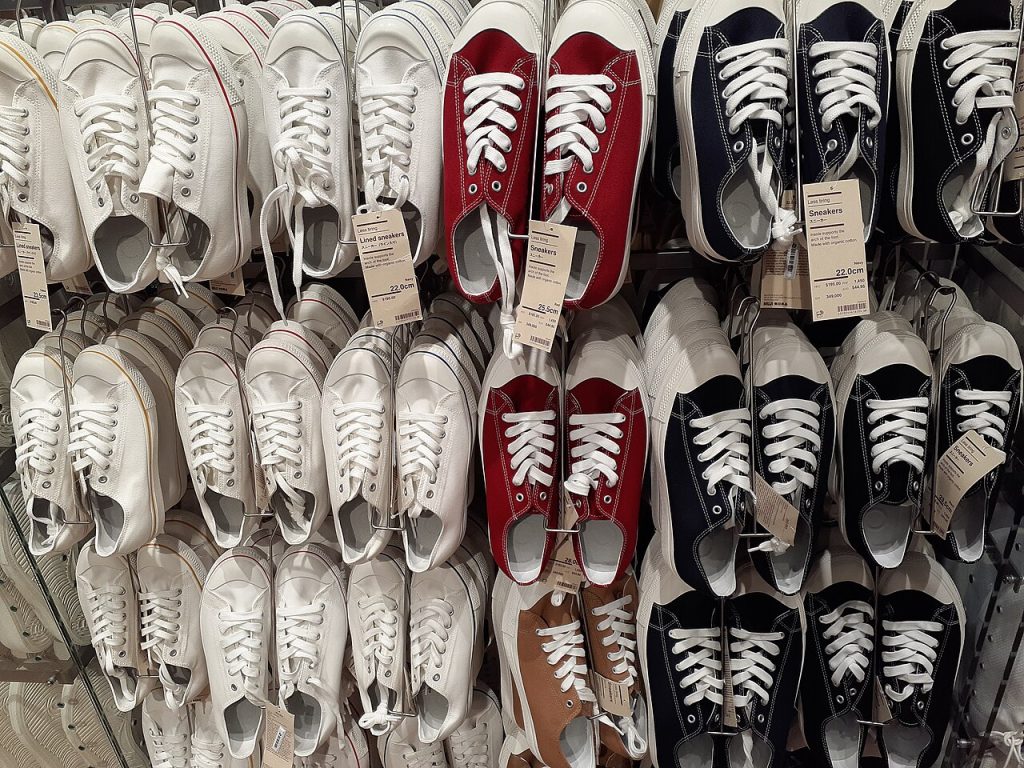
The release calendar looks thinner than it did three years ago. Fewer colorways per model, more attention on a handful of hero launches, and a shorter tail of odd sizes and strange palettes that used to fill discount racks. The shift is a response to inventory economics, and it changes how normal buyers should plan their purchases.
Why the SKU count came down
Every colorway carries cost before it sells: design, sampling, materials commitment, warehouse space, and the discount it eventually needs to clear. When a brand ships twenty colorways of one silhouette, most of them end up marked down, and the markdowns erode the price integrity of the whole model.
Cutting SKUs is the simplest fix. Fewer options means less leftover stock, less discounting, and a cleaner story at retail. It also means the pairs that do ship get more marketing weight behind them.
The resale boom taught brands something uncomfortable: scarcity created value that they were not capturing. Selling fewer pairs at full price, with less eventual discounting, is more profitable than selling more pairs that end up at outlet pricing.
What it does to the release calendar
Launch days are more clustered. Instead of a steady drip of colorways, brands concentrate releases into windows and let a model go quiet in between. That makes the calendar easier to follow but harder to buy from, because demand piles into fewer dates.
Core colorways, the black and white and grey staples, are increasingly the volume product and are restocked rather than dropped. They rarely sell out, which is good news for anyone who wants to actually wear the shoe.
Seasonal colorways get shorter runs and less restocking. If a color is the reason you want the pair, buy it when it appears. If the silhouette is the reason, wait for the core restock.
The effect on discount shoppers
Discount season has narrowed. The deep clearance that used to arrive six weeks after a launch is less common, because there is less excess inventory to clear. What remains is concentrated in the extreme sizes and the widths nobody ordered.
The savings have moved earlier. Mid-season promotions and member pricing now beat the end-of-season clearance in many categories, and waiting for a deeper cut often means the size is gone before the price drops.
Outlet channels still exist but carry less interesting product. The outlet pair is increasingly a basic colorway made for the outlet rather than a slow-selling seasonal release, which is a different quality conversation, and the materials are often a step down from the main line even when the model name is the same.
What happens to collaborations
Collabs are getting fewer and more deliberate. When a brand ships fewer general releases, a collaboration has to carry more weight, so the ones that happen get bigger campaigns and wider distribution. The days of a dozen low-key collabs per season are fading.
That is not purely good for buyers. Wider distribution means less scarcity and less resale value, which is fine if you want the shoe and bad if you were buying to flip. It also means the design has to justify itself rather than relying on a name.
The upside is that the surviving collabs tend to be more considered. Fewer rushed projects and more pairs that hold up as objects, which is a healthier state for the category than a constant churn.
What to watch next year
Expect more restocks of proven colorways and fewer experiments. Expect price increases to be smaller and more targeted, applied to hero models rather than the whole range. Expect the discount window to stay narrow.
For buyers, the strategy is straightforward: identify the model you actually want, track its core colorway, and buy at retail or on a mid-season promotion. Chasing a specific seasonal color at a discount is a losing game now.
The thinner calendar is not a crisis. It is a correction after years of oversupply, and it makes the good releases easier to see.
How to read a release calendar now
Separate the two kinds of release. A core colorway restock is supply, and there is no urgency. A seasonal colorway is a window, and it is worth acting on if the color is the reason you want the shoe.
Watch for the tell that a model is about to be replaced. Discounts deepen, sizes thin at the middle of the run, and a new version appears in leaked photos. Buying the outgoing model at a discount is often the best value in the calendar.
Ignore countdown timers and drop language attached to general releases. Those are retail mechanics, not signals about scarcity, and they are being applied to shoes that will be restocked in eight weeks. Read the product page for the shipping date and the size run instead, since a full size run usually means volume production rather than a limited run.