How to inspect used sneakers before you pay: a buyer checklist
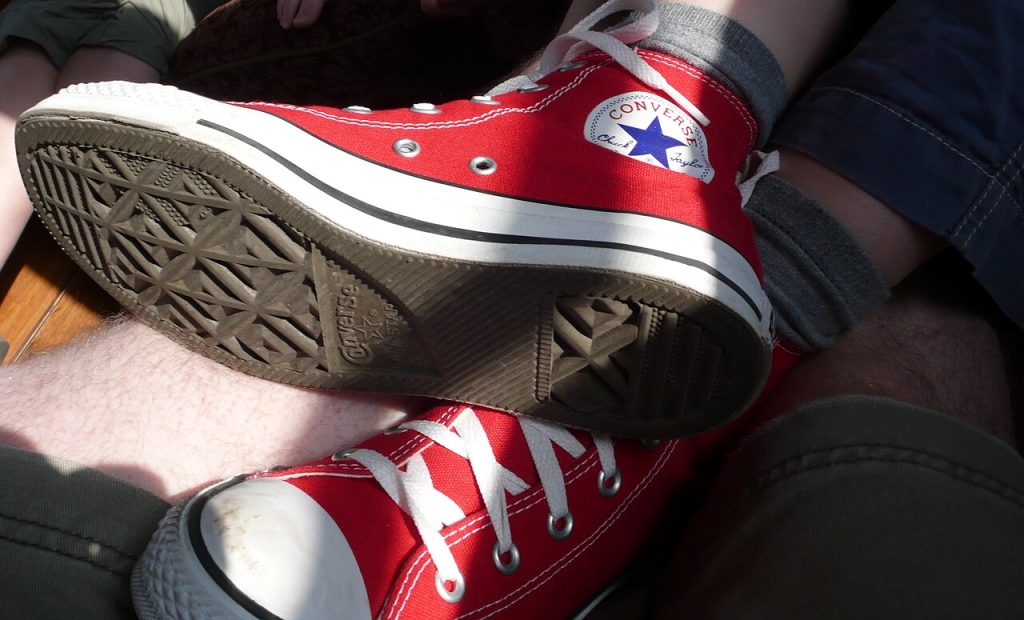
Buying used sneakers online is a photography test as much as a shoe test. Sellers photograph the side profile because it looks best, and the parts that decide whether a pair has life left are usually the parts left out of frame. A short set of requests and checks removes most of the risk.
Ask for the shots that matter
Request the outsole from directly below, in daylight, with the shoe on its side. Tread depth at the heel and the ball is the clearest indicator of mileage, and a straight-on shot prevents the angle tricks that hide worn edges.
Ask for the interior heel collar and the insole, pulled out if it is removable. A dark, polished collar means the shoe has been worn without socks or with the same pair for a long time. A compressed, curled insole means the foam underneath has taken the same shape.
Ask for the midsole sidewall in raking light. Light from the side shows creasing and compression that a flash photo flattens out. A quick video panning around the shoe tells you more than six stills chosen by the seller.
Reading the outsole
New tread has sharp edges and visible depth in the pattern. Worn tread has rounded edges and shallow grooves. If the heel is smooth and the forefoot still has texture, the seller walked with a heel strike and the wear is concentrated rather than even.
Uneven wear on one side tells you about gait, and it also tells you how the midsole has compressed. A pair worn heavily on the outer heel will feel tilted underfoot, and no cleaning fixes that.
Check for cuts and gouges rather than just wear. A deep cut in the rubber near the flex point can reach the foam and let water in, which shortens the shoe’s life considerably. Small surface scratches are cosmetic and should not change the price.
The interior tells the real story
The heel collar is the most honest part of a used shoe. Padding flattens, the lining pills, and the shape collapses with use. A pair advertised as worn twice with a crushed collar has been worn more than twice.
Look at the strobel board under the insole for dark staining. That indicates sweat penetration, which means odor that will return even after cleaning. It is also a sign the shoe has been worn hard in warm conditions.
Check the tongue label and the size tag stitching. Loose or uneven stitching around the tag is one of the more common signs of a counterfeit, and it is easy to photograph deliberately out of focus.
Replacements and cover-ups
New laces on a worn shoe are normal and cheap. Missing original laces are a small deduction, not a red flag. What matters is whether the eyelets are intact and whether the lace tips are original.
Fresh midsole paint is a warning. It hides yellowing and it chips quickly, leaving a patchy surface that looks worse than the yellowing did. Look for paint lines that stop short of the panel edges.
A replaced insole is usually fine. A replaced insole in a shoe with a compressed midsole is not, because the seller is addressing the symptom rather than the problem. Ask whether the original insole is included if you care about resale later.
Setting a price
Start from current retail for the same model, then discount for mileage, missing box, and cosmetic damage. A pair with heavy outsole wear should be priced as a beater, whatever the colorway.
Compare sold listings rather than asking prices. A page of identical unsold listings at the same number is the clearest signal that the number is wrong. Take the median of the last ten sales in your size rather than the highest one you can find.
Walk away from anything where the seller will not send the three requested photos. There are enough pairs on the market that patience is cheaper than risk. The best used buy is a lightly worn pair in a boring colorway from a seller who answers questions directly.
In person versus shipped
Buying in person removes most of the risk and adds a different one. You can check the tread and the collar, but you will also feel pressure to buy once the seller has spent twenty minutes with you. Decide your ceiling before you meet.
Bring a small flashlight or use your phone. Raking light across the midsole shows creasing that daylight hides, and looking inside the heel collar shows the lining wear that the outside conceals.
For shipped pairs, use a platform with a return window and pay with a method that offers protection. A price that is twenty percent below the market is usually a signal about the pair, not about the seller’s generosity. Ask why the pair is being sold and see whether the answer matches the condition.