Nike Air Force 1 ’07 vs Dunk Low: which one survives daily wear
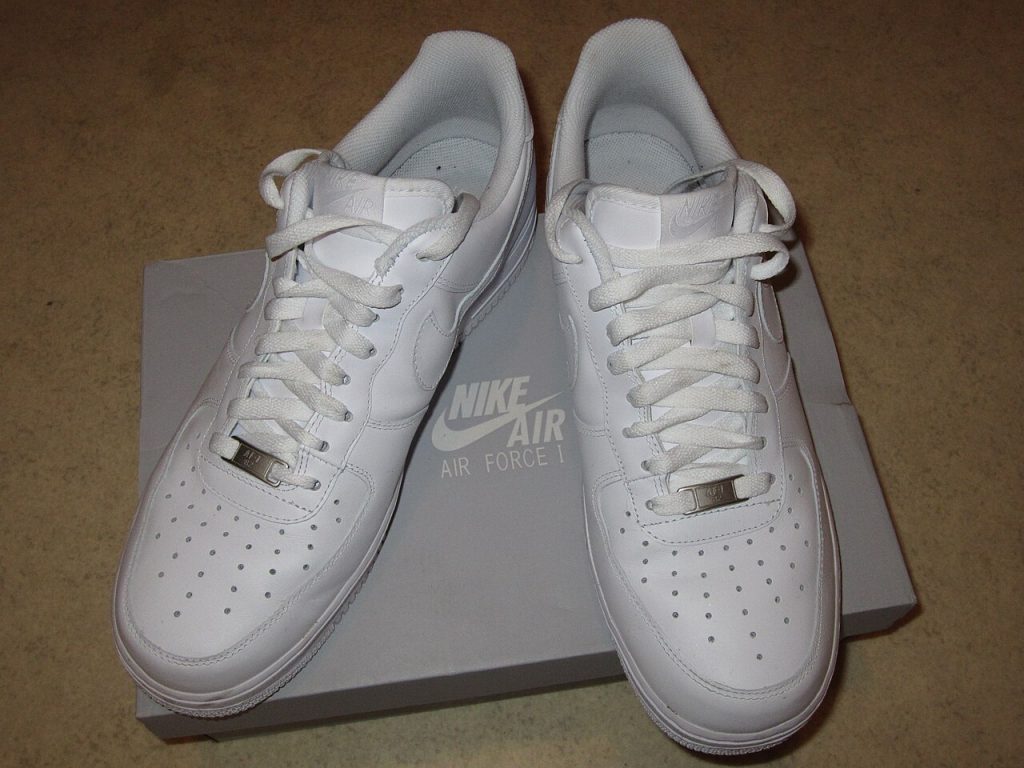
The Air Force 1 and the Dunk Low are sold as siblings and behave like distant cousins. One is a 1982 basketball shoe built around a thick Air unit, the other a 1985 college shoe with a flat sole and a lower stance. Wearing both through a full rotation of pavement, stairs, and bad weather makes the differences obvious fast.
Stance, weight and how they feel on foot
The Air Force 1 sits higher and heavier. The Air unit in the heel is not soft in the modern sense, but it does take the edge off long days on concrete. The shoe is wide, stable, and feels planted, which is why it became a staple for people who stand for a living.
The Dunk Low is lighter and flatter. There is no cushioning to speak of under the forefoot, just a foam wedge and rubber. On a full day of walking, the difference shows up around the four-hour mark, and it shows up in the ball of the foot first.
Neither is a comfort shoe. Both are casual sneakers with retro tooling, and comparing them to a modern running shoe is the wrong frame. The question is which one you can wear for six hours without thinking about your feet.
Leather quality across the tiers
General release pairs of both models use a coated split leather that creases sharply and does not recover. The crease at the toe box appears within a week of real wear. On the Air Force 1 it forms a deep fold across the vamp, because the toe box is taller and the leather has more room to bend.
The Dunk creases closer to the toe and in a narrower band. It looks less catastrophic but it also breaks the clean line of the shoe sooner, because the panel is smaller and the fold sits right where people look.
Premium and anniversary builds use softer leather that creases more gently and takes polish. They cost more and are worth it only if you plan to keep the pair for years. For a beater, the standard build is the rational buy.
Sizing, and why they disagree
The Air Force 1 runs roughly half a size large and very wide. Most people should go half down from their Nike running size, and wide-footed wearers can often stay true to size. The shoe has a lot of internal volume, so a thick sock changes the fit more than it does on other models.
The Dunk Low runs narrower and closer to true to size, with a lower toe box that presses on the top of the foot if you have a high instep. Going half up solves the pressure but adds length you will feel at the heel.
If you wear a 10 in the Air Force 1, a 10 in the Dunk will feel tighter across the forefoot and about the same in length. That single mismatch is the reason people who love one model often dislike the other.
Outsole wear and yellowing
The Air Force 1 outsole is a solid rubber cupsole with a pivot circle at the forefoot. It wears evenly and slowly. The Dunk uses a thinner outsole with a herringbone pattern, which grips better on smooth floors and wears faster at the outer heel if you pronate.
Both midsoles yellow. The Air Force 1 has more visible foam sidewall, so the yellowing is more obvious and harder to hide. The Dunk hides some of it behind the rubber sidewall wrap.
Cleaning helps the upper and does almost nothing for a yellowed midsole. Products that claim to reverse oxidation work slowly and unevenly, and they can leave a chalky patch. Accept the aging or keep the pair out of direct sun.
Which one to buy for what
For standing, walking, and wearing the same pair four days a week, the Air Force 1 is the more forgiving shoe. The extra volume and the heel Air unit make a difference over a long day, and the wider stance suits wider feet.
For a cleaner silhouette with trousers, the Dunk Low is easier to style. It reads lower and less bulky, and the flatter sole looks correct with a hem that breaks once. That is a real advantage if you care how the shoe sits under a straight-leg pant.
If you only buy one, decide by your feet rather than the photos. Wide feet and long days point to the Air Force 1. Narrow feet and short commutes point to the Dunk. Try both in the same size before you commit, because the difference in width is bigger than the difference in styling.
Both are commodity shoes at this point, restocked constantly in core colorways. There is no reason to pay above retail, and no reason to baby either pair. Buy the one that fits, wear it out, and replace it when the outsole goes smooth.