Resale is moving to worn pairs and it changes what you should pay
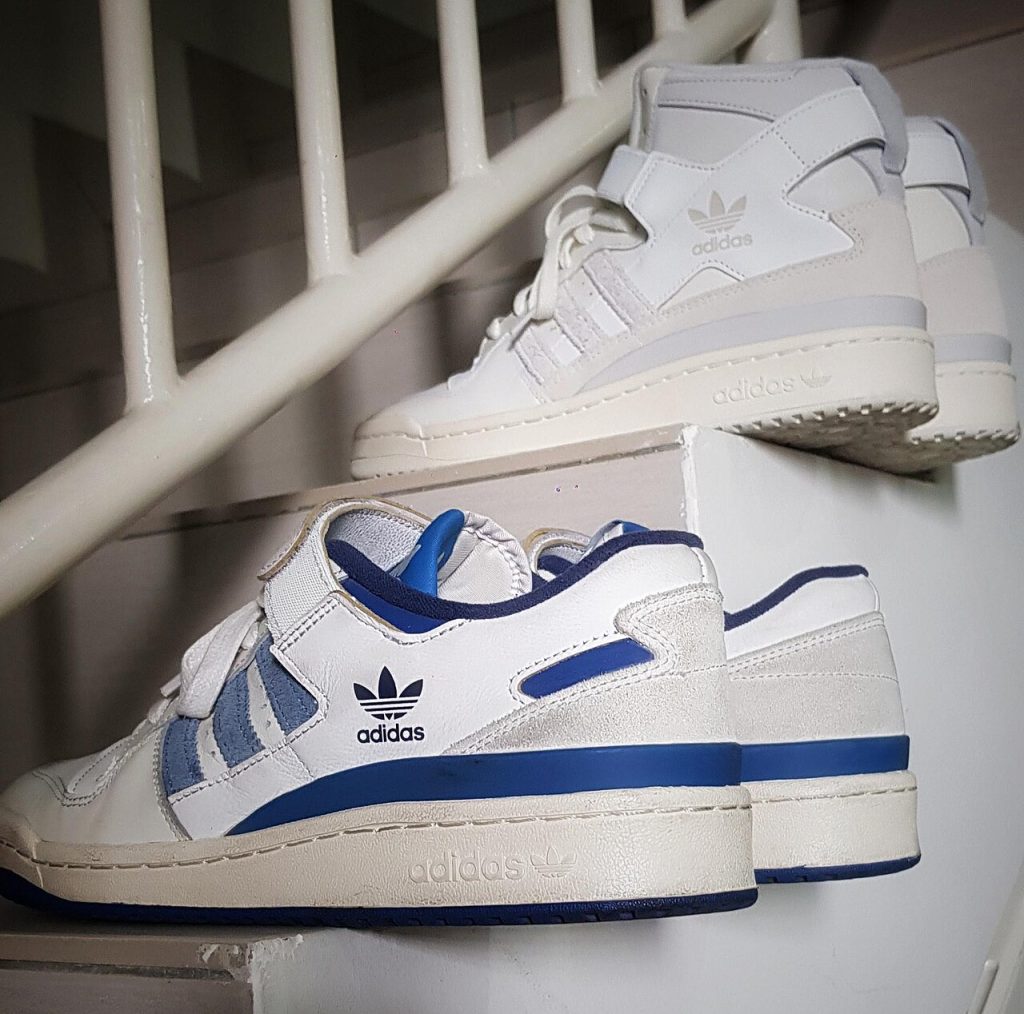
The resale market spent a decade organized around one idea: an unworn pair in the original box is worth more than a worn one, and time only increases the gap. That logic is weakening. Across the major platforms, the volume growth is coming from graded used pairs, while deadstock sits longer and sells closer to retail.
Where the supply actually comes from
The first wave of resale supply came from people who bought to flip. That supply is finite and largely absorbed. The current supply comes from closets: people who bought heavily between 2019 and 2023 and are now clearing space, often at prices that reflect what they paid rather than what the market will bear.
This is a normal correction, not a collapse. When a category inflates quickly, the secondary supply eventually catches up and the premium compresses. Watches, streetwear, and trading cards have all run the same cycle.
What is different here is the volume. Sneakers are bulky, hard to store, and easy to photograph, which makes them ideal inventory for a platform. That pushes supply onto the market faster than a hobbyist-to-hobbyist model ever could.
Grading became the pricing lever
When every pair is deadstock, condition is binary. When most pairs are worn, condition becomes the whole conversation. Platforms responded by formalizing grades, and those grades now move price more than the colorway does in many categories.
A pair graded as lightly worn with a clean outsole and no creasing can trade within 25 percent of deadstock. The same model with yellowed midsoles and smoothed tread might sit at half. Buyers are pricing wear, not hype.
For sellers, this means photos and honest description matter more than timing a drop. For buyers, it means the grade is a starting point and the photos are the actual evidence.
What holds value in a worn pair
Neutral colorways in classic silhouettes hold best: grey suede runners, black leather low-tops, white court shoes. They are easy to wear and easy to resell, so demand stays steady even as the wider market cools.
Collaboration pairs hold value in deadstock and lose it quickly once worn, because the buyer for a collab is usually a collector and the collector wants the box. Technical runners and trail shoes lose value fastest, because the foam and the membrane degrade with use in ways photos do not show.
Anything with a glued midsole has a shelf life. Even stored pairs degrade, and a five-year-old unworn pair can be closer to failure than a two-year-old worn one. Age is a condition, not a discount.
The risks that come with used stock
Worn pairs carry problems that deadstock does not: stretched collars, compressed foam, replacement laces hiding damaged eyelets, and cleaning that masks stains. None of these are always disclosed.
Ask for photos of the outsole edges, the heel collar interior, and the insole under direct light. Those three shots reveal most of what a grade misses. A seller who will not provide them is telling you something.
Odor and mold are the two issues that cannot be fixed economically. If a listing mentions storage in a basement or garage, assume moisture exposure and price accordingly.
How to price a used pair before you buy
Start from retail, not from the highest asking price on the platform. Then discount for wear, for missing box, and for age. A worn pair without a box should rarely cost more than 60 percent of retail unless it is genuinely scarce.
Compare sold listings rather than active ones. Asking prices are aspirations, and a page full of unsold pairs at the same number is a signal that the number is wrong.
Where the platforms go next
The obvious next step is cleaning and repair as a service attached to resale. A pair that has been professionally cleaned, re-laced, and photographed against a standard background sells faster and at a higher grade, and the margin on that work is better than the margin on the shoe.
Several marketplaces already push authentication and grading as a trust feature rather than a cost. As used volume grows, the grading standard becomes the product. A buyer who trusts the grade will pay more without seeing the shoe, which is the only way used resale scales past enthusiasts.
That also raises a risk. When a platform grades its own inventory, the incentive to grade generously is real. Independent grading, or at least published criteria with photo evidence, is what keeps the numbers honest.
If you have been priced out of the pairs you actually want, this is your window. A lightly worn pair in a core colorway is often a third cheaper than deadstock and functionally identical after a clean.
If you are holding stock, the calculation changed. Storage costs money, foam degrades, and the premium for unworn pairs is not growing the way it did. Selling into demand beats waiting for a peak that may not arrive.
Either way, the market is behaving more like a used-car market than a collectibles market, and that is a healthier place to buy shoes.
The shift toward worn pairs is good for anyone who wants to wear the shoes. It rewards patience, punishes speculation, and puts a lot of very wearable product within reach. Buy the grade you can verify, not the story attached to it.