Salomon XT-6 GTX for winter 2026: colorways, sizing and what to skip
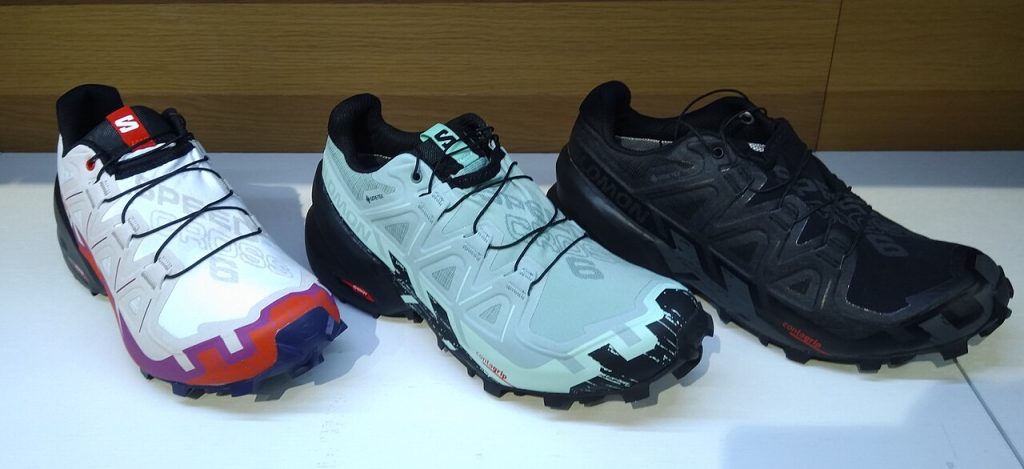
The XT-6 GTX is the version of Salomon’s most-worn silhouette that survives an actual winter. The membrane adds about twenty dollars to retail, a little weight, and enough stiffness to change how the shoe fits. Check three things before you pay: width through the midfoot, whether the colorway hides road salt, and whether waterproofing is needed at all.
What the membrane actually changes
Under the mesh and TPU cage sits a Gore-Tex bootie, so water has to clear two layers before it reaches your sock. The tongue is gusseted and the lace garage sits tighter against the foot. That construction is why the GTX feels warmer than the standard shoe on a dry day, and why it gets clammy in a heated office.
Break-in runs two to three wears. The liner softens at the heel collar first. The toe box stays crisp longer because the membrane limits how far the mesh can stretch. Expect a slightly higher, stiffer step for the first week, then a ride close to the standard XT-6.
The weak point is not the membrane but the toe bumper and the seam where the cage meets the mudguard. Scuffs there open a path for water. Machine washing is the fastest way to kill the liner, so treat cleaning as hand work with cold water and a soft brush.
Sizing and where it pinches
The XT-6 last is narrow through the midfoot with a low-volume toe box, and the membrane takes up room inside. Narrow feet should stay true to size. Wide feet, high insteps, or anyone planning wool socks should go half a size up. A full size up usually creates heel lift that no amount of lacing fixes.
If you sit between sizes, size for the longer foot and wear a thin sock for the first week while the liner packs down. The Quicklace cord can be re-routed through the second eyelet to pull the heel back into the pocket, which is the fix most people miss before they return a pair.
Cross-brand translation is rough but useful. Most people take the same EU size in Salomon as in Nike running shoes, and a half size larger than their Asics Gel-Kayano size. The GTX runs tighter than the standard XT-6 in the same marked size, so try both if a store near you stocks them.
Colorways that survive salt and slush
Near-black and dark olive uppers hide salt tide lines. Cream, bone, and light grey show every splash the moment the pavement turns wet, and the mudguard yellows with residue that has to be rinsed rather than scrubbed. If you walk a gritty commute, dark wins on maintenance alone.
Metallic and iridescent finishes look sharp in photos and cannot be repaired. A scuff on a coated synthetic panel stays visible for the life of the shoe. Flat matte uppers take abuse better and age into something that still looks intentional.
Reflective hits and high-vis accents are worth the money only if you run at dusk. In daylight they read as gym shoe, which is fine if that is the look you want and wrong if you are wearing them with wool trousers.
Price, timing and resale
Retail sits near 220 dollars, about twenty over the standard version. That is fair for a shoe you will wear through slush from November to March. Discounts show up late in the season, usually on the extremes of the size run, so waiting is a gamble on your own size rather than a strategy.
Collaboration versions carry a premium that has nothing to do with waterproofing. If the goal is a winter commuter, ignore them. Core black and dark earth builds restock often enough that paying above retail makes no sense, and the markup tends to evaporate within a season.
Buy before the first snow if you can. Sizes thin out once the weather turns, and the 41 to 44 range is where the gaps appear first. Set a stock alert rather than checking the site daily.
What to skip
Skip the standard XT-6 if you commute through rain daily. It drains fast but it soaks fast, and wet mesh takes hours to dry with no reliable shortcut. One wet morning is enough to ruin a workday.
Skip the GTX if you run hot or want a summer shoe. The membrane traps heat and there is no venting trick that fixes it. Buy it as a cold-weather tool and it will earn its place in the rotation.
Skip the trail-specific builds with deep lugs if the shoe is for pavement. Those lugs wear flat in a season, feel vague on wet concrete, and cost more than the city version for benefits you will never use.
Rinse the pair with cold water after heavy salt exposure, stuff with newspaper, and dry away from radiators. Heat delaminates the liner faster than wear does. A DWR spray on the outer mesh once a season keeps the shell from saturating and turning heavy in the rain.
The XT-6 GTX is not a hiking boot and not a fashion object, though it gets used as both. It is a city shoe for bad weather that happens to look technical, and it rewards buyers who size it properly and rinse it often. If you already own the standard pair, this is a second shoe rather than a replacement.